Stefanie Szabo

Logo of a compass

Product Designer

Sketches and prototypes of bold ideas, tiny details, and joyful design journeys.

image

Hermes

August 12, 2025

São Paulo, Brazil

01.

Project

Overview

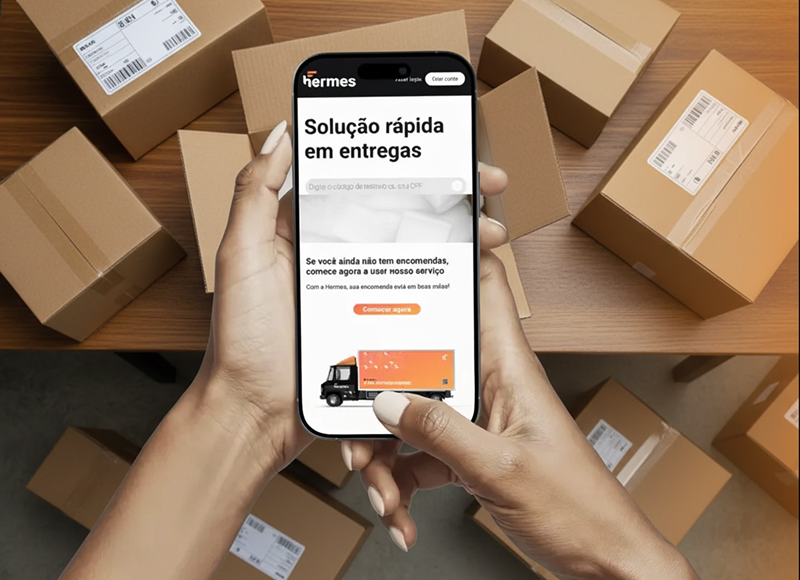
One of the largest carriers in Brazil faces challenges related to customer dissatisfaction with its digital tracking system, which is limited to basic email notifications and lacks real-time updates.

This issue results in a high complaint rate (15%) and harms its reputation in the market. This project aims to reverse this scenario by proposing an innovative solution, positioning the company as a leader in the sector and promoting greater customer trust and loyalty.

  • Understanding the problem

Dissatisfaction Analysis: The current system does not meet user expectations, who prefer real-time tracking and a more efficient communication channel.


  • Research and benchmark

Desk Research: Research existing tracking solutions (Correios, Amazon, Loggi) and identify the strengths and weaknesses of each. Analyze complaints and comments about similar systems.


  • Proposal and solution

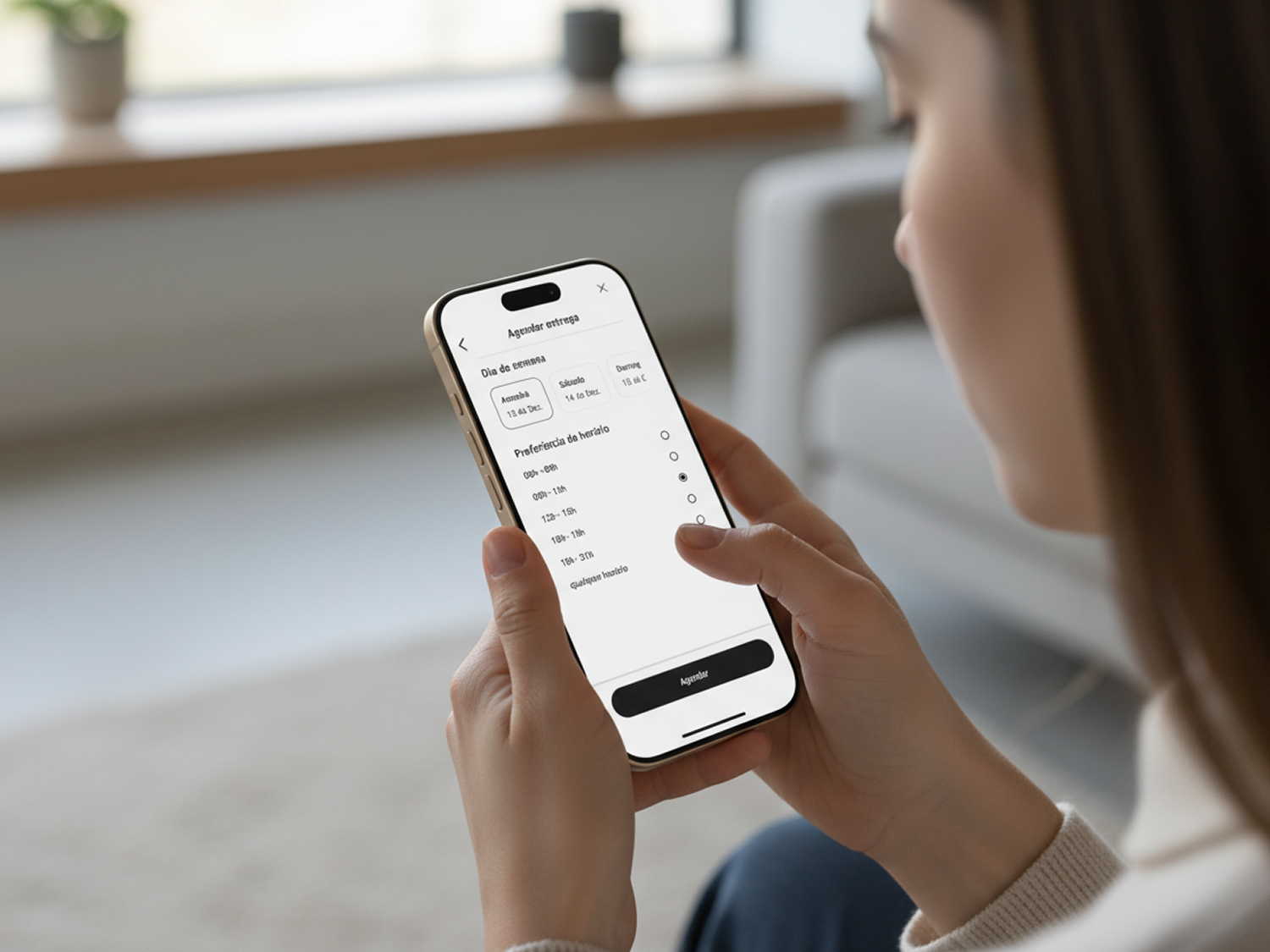
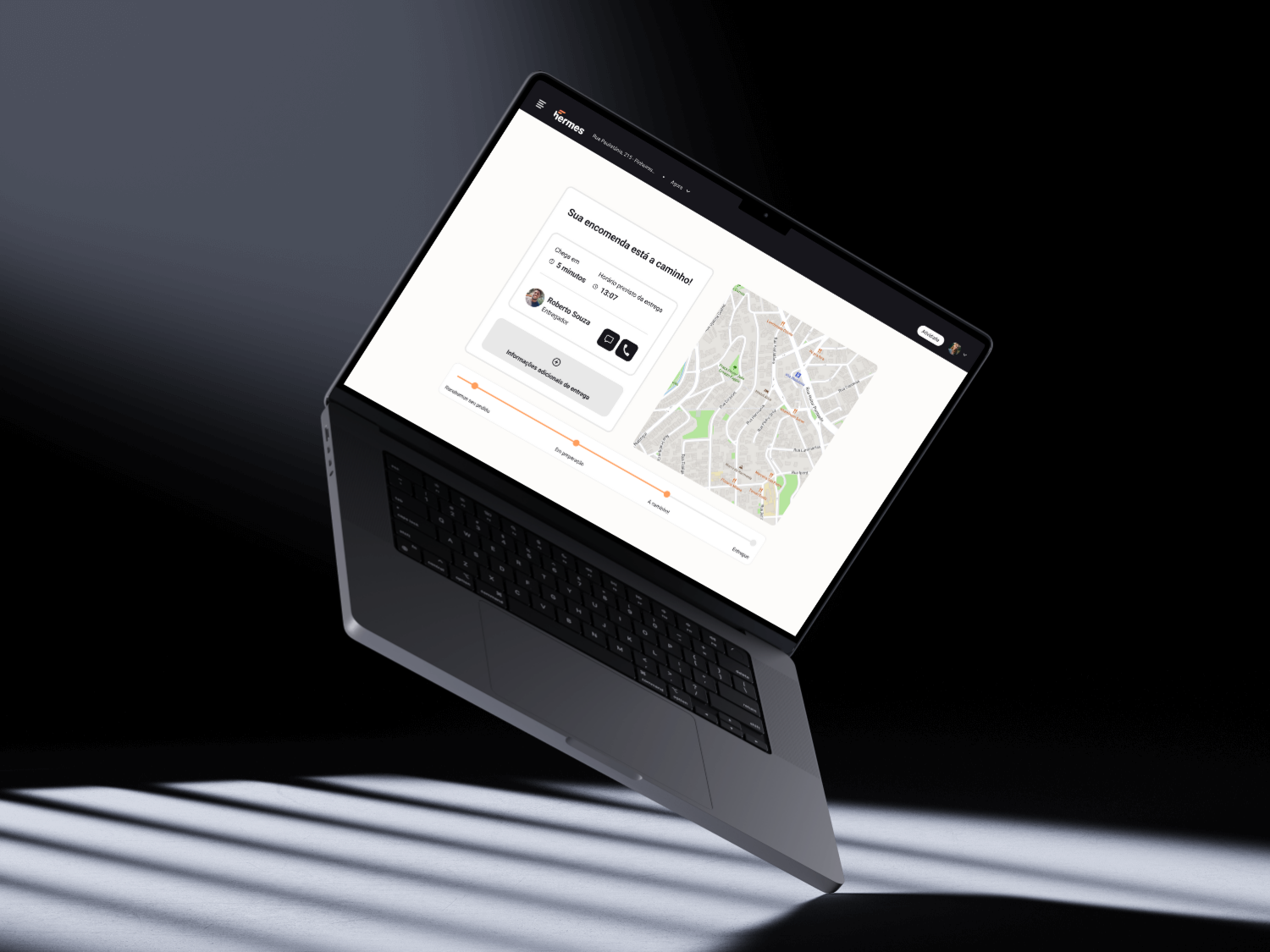
Key features: Real-time tracking, communication channel, and feedback after delivery.
image

02.

Strategy and Process

Challenge


Brazil’s logistics ecosystem operates under complex conditions due to the country’s vast territorial size, regional infrastructure disparities, and high delivery volume. These factors increase the likelihood of delays, failed delivery attempts, and miscommunication — directly impacting customer satisfaction and trust.

Tracking as a Competitive Differentiator


In this context, real-time tracking is no longer a nice-to-have feature — it has become a critical expectation. Users increasingly associate transparent, up-to-date tracking with reliability and professionalism. Companies that fail to provide this visibility risk higher complaint rates, increased support costs, and damage to brand perception.

Market Leaders and Current Practices


Key players such as Correios, Amazon, Loggi, Mercado Livre, and Lalamove each approach tracking differently, shaped by their operational scale and delivery models. While some offer advanced real-time tracking and communication features, others still rely on static status updates, creating inconsistent experiences across the market.

Opportunities Identified


This project evaluates existing tracking practices to uncover gaps and opportunities for improvement. The analysis revealed clear potential to:

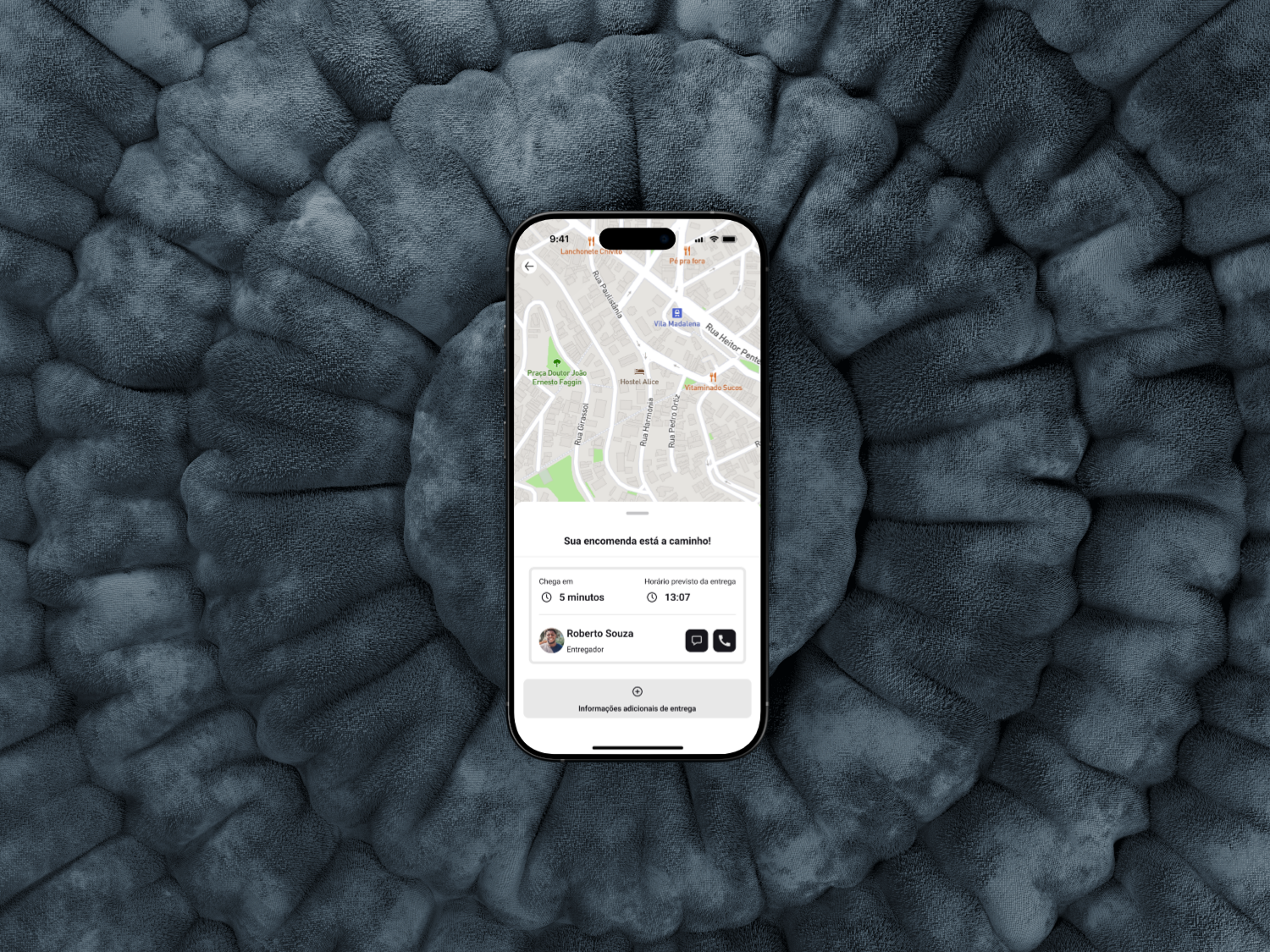
  • Increase transparency through real-time, map-based tracking
  • Reduce friction with direct communication between users and delivery personnel
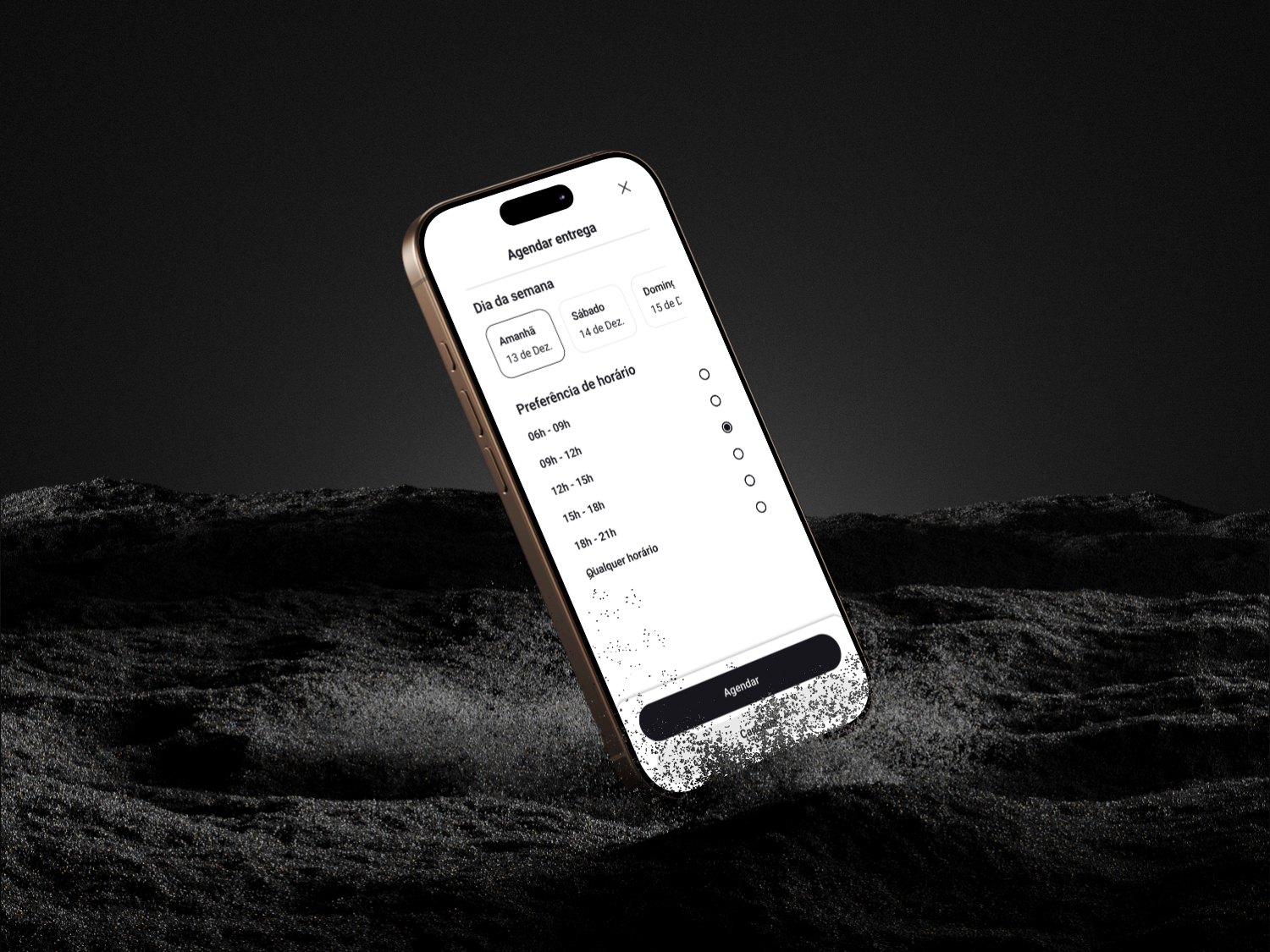
  • Improve predictability with proactive notifications and delivery customization

By combining best practices from market leaders with a strong user-centered approach, the strategy aims to transform tracking from a passive status-checking tool into an active, trust-building experience.

03.

Benchmarking

To define Hermes positioning, we benchmarked against top competitors and success stories of delivery apps:

Top Competitors

image

CORREIOS

image

LOGGI

image

LALAMOVE

Success Stories

image

Mercado Livre

image

Amazon

Top Competitors


  • Loggi: Focus on fast urban deliveries, featuring a modern interface and optimized practices for large cities.
  • Correios: Wide national coverage with basic tracking available, but no real-time updates.
  • Lalamove: Real-time tracking and flexibility to adjust deliveries, standing out in the premium urban market.

Success Stories


  • Mercado livre: Proprietary tracking system, with quality varying based on the contracted carrier.
  • Amazon: Integrated tracking within its ecosystem, with experience reliant on third-party carriers.

04.

Users needs and insights

Who are our users?

  • Target Audience

Consumers who use delivery services for online purchases or shipping personal goods, and businesses that rely on transportation for logistics operations and customer service.

  • Key needs

Reliability in deliveries, with deadlines met, as well as transparency, with real-time tracking and quick support to resolve issues.

  • Behavior

Users prefer to interact through easy-to-use apps and websites, expecting automatic notifications and real-time updates to conveniently track their deliveries.

  • Frustrations

The main frustrations include the lack of accurate updates in tracking and the difficulty in obtaining efficient and prompt support when facing delivery issues.

Top 5 complaints on the “Reclame Aqui” website

  • Correios

Delays and lack of information: Slow tracking and outdated information, with packages in transit for days without clear updates, causing frustration due to the lack of predictability in delivery.

  • Amazon

Deliveries "marked as completed" but not delivered: Packages are recorded as delivered but do not arrive at the destination, often due to failures by partner carriers, creating distrust in the system.

  • Loggi

Deliveries to wrong locations: Packages delivered to incorrect addresses or marked as "delivery attempt" when someone was available, making it difficult to locate the orders.

  • Mercado Livre

Delays with transportation partners: Orders get stuck for days in distribution centers, with a lack of updates in tracking, affecting the perception of control over the transport.

  • Lalamove

Repeated rescheduling: Deliveries rescheduled multiple times, with frequent changes to the delivery timeline, causing frustration due to the lack of predictability.

QUOTE 1

"The tracking is not updated and the package status remains 'in transit' for days, with no clear update on the whereabouts of the order."

image

QUOTE 2

"The delivery status says the package was delivered, but I haven't received anything, and the 'resident' who signed for it is not anyone from my household."

image

QUOTE 3

"The delivery deadline was changed several times, and when it finally arrived, the package was not delivered within the promised timeframe. The lack of predictability was frustrating."

image

3 key insights after data analysis

  • Authorized persons to receive deliveries

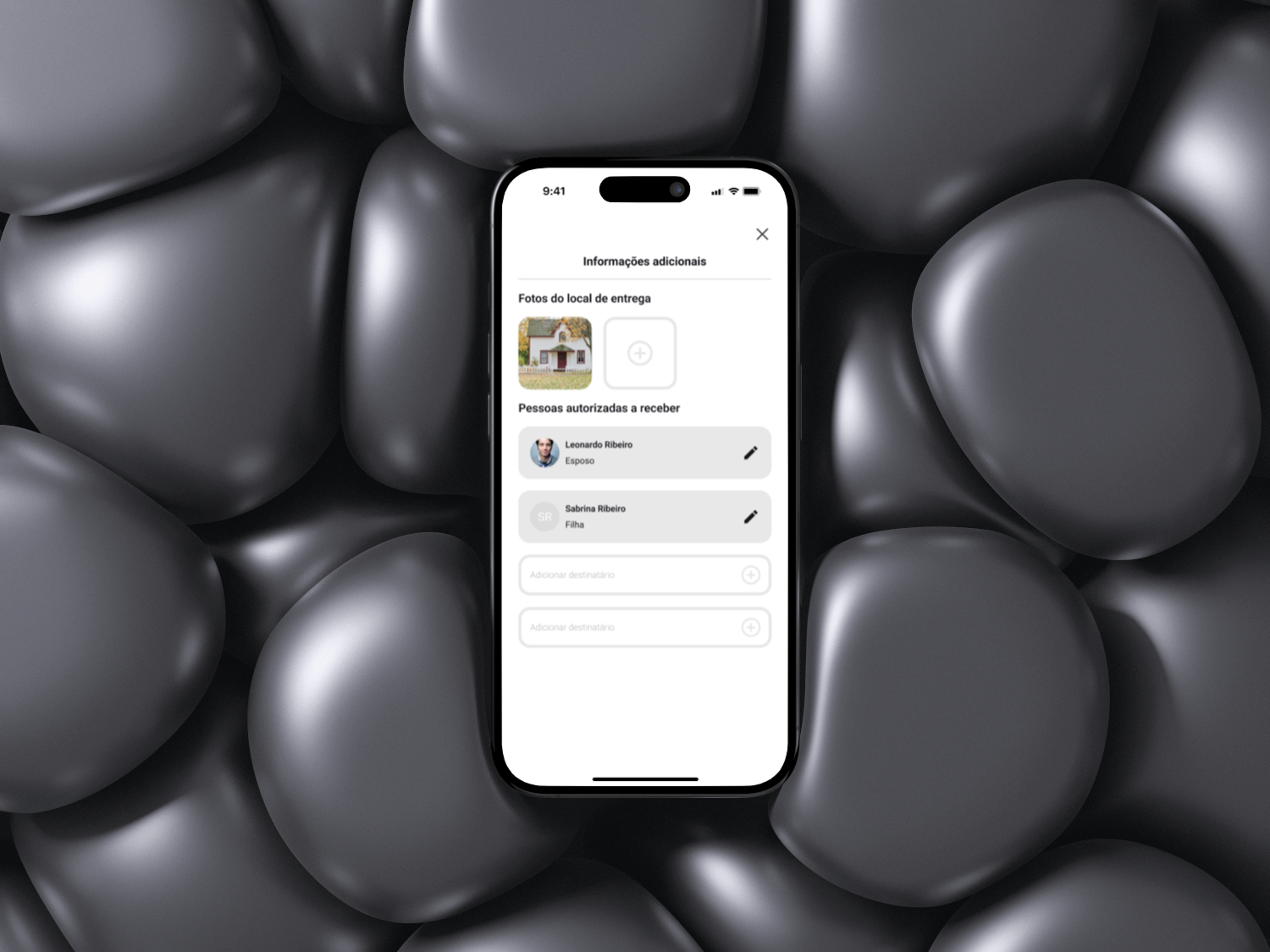
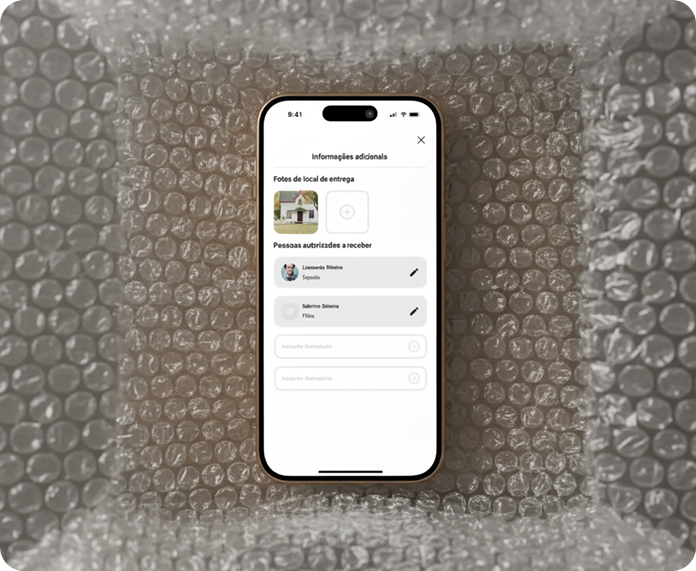
The system will allow the customer to indicate other people (such as doormen or family members) who can receive the delivery if they are unavailable.

  • Additional information

The user can add extra information about the delivery location, such as photos of the building's facade, to facilitate locating it.

  • Chat with the delivery person

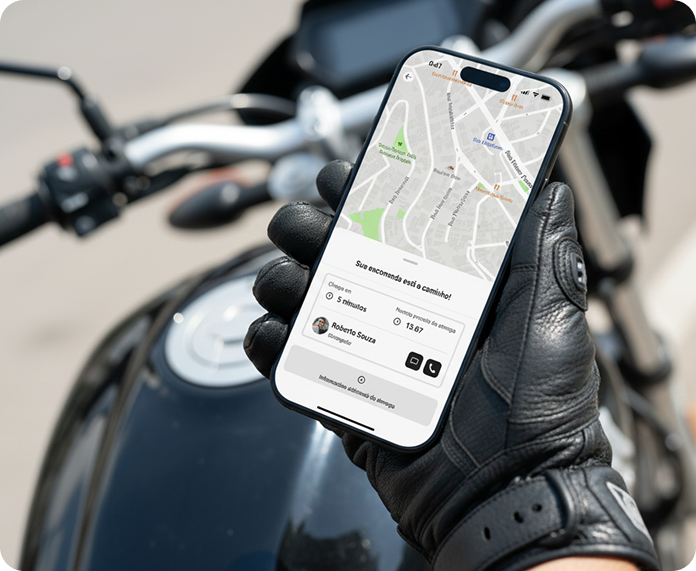
Allow direct communication, similar to what happens on Uber Eats, to quickly resolve questions about the delivery address.
image

05.

Experience Concept

  • Real-time Tracking


Why incorporate?

Continuous updates increase customer confidence and reduce uncertainties.

It allows for greater predictability and engagement with the platform.


How to implement?

An interactive map showing the delivery person's location.

Automatic notifications about changes in delivery status.


  • Multichannel support with direct chat


Why incorporate?

Direct communication quickly resolves questions, such as address or time changes.

It reduces response time and improves user experience.


How to implement?

Direct chat with the delivery person for quick adjustments.

Human support channel to resolve more complex issues.


  • Personalization in Delivery


Why incorporate?

Offering options like adding photos of the delivery location and authorized people reduces errors.

It increases efficiency and customer satisfaction.


How to implement?

Field for the customer to include personalized instructions.

Upload photos of the building or house.


  • Proactive Problem Resolution


Why incorporate?

Resolving issues before the customer needs to complain enhances the perception of reliability.

Refunds or new delivery attempts strengthen trust in the brand.


How to implement?

Automatic alerts for delays with rescheduling options.

Clear refund policy in case of failures.


  • Integration and Constant Notifications


Why incorporate?

Keeping the customer informed throughout the journey reduces anxiety.

Notifications make the process more transparent and engaging.


How to implement?

Real-time updates in the app or via SMS/email.

Delivery status summary at the end of the day.


  • Performance Metrics and Feedback


Why incorporate?

Evaluating the system's success in real-time allows for quick adjustments.

Customer feedback helps prioritize continuous improvements.


How to implement?

Post-delivery satisfaction surveys.

Internal dashboard with metrics like Delivery Success Rate and On-Time Delivery (OTD).
 

image

06.

Metrics

Based on benchmarks and similar improvements in other companies, it is possible to estimate that:

  • 10% reduction by offering customization options, such as photos of the delivery location and authorization for third parties to receive the package.
  • 20% fewer complaints by introducing a direct chat with the delivery person, allowing for quick resolution of questions and adjustments in the process.
  • 50% of complaints would be reduced with real-time tracking, providing accurate and frequent updates to increase customer trust.

15%

Complained about digital tracking

next

implementing these changes

5%

Overall reduction

We also can utilize this six key metrics to enhance user experience:

  1. The Customer Satisfaction Score (CSAT) allows us to gauge user satisfaction post-delivery through straightforward surveys, rating from 1 to 5 stars.
  2. The First Contact Resolution Rate (FCR) indicates the percentage of issues resolved during the initial contact, whether through chat or support, which is crucial for efficiency.
  3. Average Resolution Time measures the duration taken to address tracking or delivery issues, helping us identify areas for improvement.
  4. The Tracking Click-Through Rate reveals how often users engage with real-time tracking features, providing insights into its effectiveness.
  5. Additionally, analyzing the Cancellation or Refund Rate helps us understand if tracking reliability influences the frequency of cancellations or undelivered orders.
  6. Lastly, measuring user engagement in chat with the delivery person can show how these interactions affect overall satisfaction.

07.

Final Remarks

By addressing the main friction points in the delivery experience — lack of transparency, limited communication, and low user control — these proposed improvements directly impact customer trust and operational efficiency.

The combination of real-time tracking, direct communication with the delivery person, and customizable delivery options creates a more predictable, human, and reliable experience for users.

From a business perspective, the expected reduction in complaints and cancellations translates into lower support costs, improved brand perception, and higher customer retention. From a user experience standpoint, empowering users with visibility and control reduces anxiety and frustration, turning delivery from a point of tension into a moment of confidence.


Overall, implementing these solutions positions the product as a user-centered, trustworthy, and scalable delivery platform — one that proactively solves problems instead of reacting to them.

Future directions

Looking ahead, the platform can evolve by deepening personalization and intelligence across the delivery journey. Key future opportunities include:


  • AI-driven personalization, offering smart delivery recommendations based on user behavior, preferred time windows, and past issues.
  • Predictive issue detection, using historical data to anticipate delays or failed deliveries and notify users proactively.
  • Automated, context-aware responses, where AI assists in chat interactions by suggesting quick replies or solutions to common delivery scenarios.
  • Advanced analytics dashboards, enabling operations teams to identify recurring bottlenecks and continuously optimize performance.
  • Integration with external systems, such as smart lockers or building access controls, to further reduce failed delivery attempts.


By continuously leveraging data, automation, and personalization, the delivery experience can move from reactive problem-solving to a proactive, seamless, and highly trusted service.
image
Hand-drawn illustration of an airplane
White Mediterranean-style house with a terracotta roof, surrounded by lush greenery and partially obscured by vibrant red-orange flowers in the foreground

End of the trail

Less friction.More intuition.

Home

Projects

Resume

About

Connect with me on Linkedin
Follow me on Instagram
Follow me on Facebook
Watch my YouTube videos
Follow me on X (formerly Twitter)
View my Pinterest profile
Send me an e-mail
Send me a message on whatsapp

Stefanie Szabo · Portfolio · Product Designer ©2025 · Privacy Policy

Stefanie Szabo

Logo of a compass

Product Designer

Sketches and prototypes of bold ideas, tiny details, and joyful design journeys.

image

Hermes

August 12, 2025

São Paulo, Brazil

01.

Project

Overview

One of the largest carriers in Brazil faces challenges related to customer dissatisfaction with its digital tracking system, which is limited to basic email notifications and lacks real-time updates.

This issue results in a high complaint rate (15%) and harms its reputation in the market. This project aims to reverse this scenario by proposing an innovative solution, positioning the company as a leader in the sector and promoting greater customer trust and loyalty.

  • Understanding the problem

Dissatisfaction Analysis: The current system does not meet user expectations, who prefer real-time tracking and a more efficient communication channel.


  • Research and benchmark

Desk Research: Research existing tracking solutions (Correios, Amazon, Loggi) and identify the strengths and weaknesses of each. Analyze complaints and comments about similar systems.


  • Proposal and solution

Key features: Real-time tracking, communication channel, and feedback after delivery.

image

02.

Strategy and Process

Challenge


Brazil’s logistics ecosystem operates under complex conditions due to the country’s vast territorial size, regional infrastructure disparities, and high delivery volume. These factors increase the likelihood of delays, failed delivery attempts, and miscommunication — directly impacting customer satisfaction and trust.

Tracking as a Competitive Differentiator


In this context, real-time tracking is no longer a nice-to-have feature — it has become a critical expectation. Users increasingly associate transparent, up-to-date tracking with reliability and professionalism. Companies that fail to provide this visibility risk higher complaint rates, increased support costs, and damage to brand perception.

Market Leaders and Current Practices


Key players such as Correios, Amazon, Loggi, Mercado Livre, and Lalamove each approach tracking differently, shaped by their operational scale and delivery models. While some offer advanced real-time tracking and communication features, others still rely on static status updates, creating inconsistent experiences across the market.

Opportunities Identified


This project evaluates existing tracking practices to uncover gaps and opportunities for improvement. The analysis revealed clear potential to:

  • Increase transparency through real-time, map-based tracking
  • Reduce friction with direct communication between users and delivery personnel
  • Improve predictability with proactive notifications and delivery customization

By combining best practices from market leaders with a strong user-centered approach, the strategy aims to transform tracking from a passive status-checking tool into an active, trust-building experience.

03.

Benchmarking

To define Hermes positioning, we benchmarked against top competitors and success stories of delivery apps:

Top Competitors

image

LOGGI

image

CORREIOS

image

LALAMOVE

Success Stories

image

Mercado Livre

image

Amazon

Top Competitors


  • Loggi: Focus on fast urban deliveries, featuring a modern interface and optimized practices for large cities.
  • Correios: Wide national coverage with basic tracking available, but no real-time updates.
  • Lalamove: Real-time tracking and flexibility to adjust deliveries, standing out in the premium urban market.

Success Stories


  • Mercado livre: Proprietary tracking system, with quality varying based on the contracted carrier.
  • Amazon: Integrated tracking within its ecosystem, with experience reliant on third-party carriers.

04.

Users needs and insights

Who are our users?

  • Target Audience

Consumers who use delivery services for online purchases or shipping personal goods, and businesses that rely on transportation for logistics operations and customer service.

  • Key needs

Reliability in deliveries, with deadlines met, as well as transparency, with real-time tracking and quick support to resolve issues.

  • Behavior

Users prefer to interact through easy-to-use apps and websites, expecting automatic notifications and real-time updates to conveniently track their deliveries.

  • Frustrations

The main frustrations include the lack of accurate updates in tracking and the difficulty in obtaining efficient and prompt support when facing delivery issues.

Top 5 complaints on the “Reclame Aqui” website

  • Correios

Delays and lack of information: Slow tracking and outdated information, with packages in transit for days without clear updates, causing frustration due to the lack of predictability in delivery.

  • Amazon

Deliveries "marked as completed" but not delivered: Packages are recorded as delivered but do not arrive at the destination, often due to failures by partner carriers, creating distrust in the system.

  • Loggi

Deliveries to wrong locations: Packages delivered to incorrect addresses or marked as "delivery attempt" when someone was available, making it difficult to locate the orders.

  • Mercado Livre

Delays with transportation partners: Orders get stuck for days in distribution centers, with a lack of updates in tracking, affecting the perception of control over the transport.

  • Lalamove

Repeated rescheduling: Deliveries rescheduled multiple times, with frequent changes to the delivery timeline, causing frustration due to the lack of predictability.

QUOTE 1

"The tracking is not updated and the package status remains 'in transit' for days, with no clear update on the whereabouts of the order."

image

QUOTE 2

"The delivery status says the package was delivered, but I haven't received anything, and the 'resident' who signed for it is not anyone from my household."

image

QUOTE 3

"The delivery deadline was changed several times, and when it finally arrived, the package was not delivered within the promised timeframe. The lack of predictability was frustrating."

image

3 key insights after data analysis

  • Authorized persons to receive deliveries

The system will allow the customer to indicate other people (such as doormen or family members) who can receive the delivery if they are unavailable.

  • Additional information

The user can add extra information about the delivery location, such as photos of the building's facade, to facilitate locating it.

  • Chat with the delivery person

Allow direct communication, similar to what happens on Uber Eats, to quickly resolve questions about the delivery address.

image

05.

Experience Concept

  • Real-time Tracking


Why incorporate?

Continuous updates increase customer confidence and reduce uncertainties.

It allows for greater predictability and engagement with the platform.


How to implement?

An interactive map showing the delivery person's location.

Automatic notifications about changes in delivery status.


  • Multichannel support with direct chat


Why incorporate?

Direct communication quickly resolves questions, such as address or time changes.

It reduces response time and improves user experience.


How to implement?

Direct chat with the delivery person for quick adjustments.

Human support channel to resolve more complex issues.


  • Personalization in Delivery


Why incorporate?

Offering options like adding photos of the delivery location and authorized people reduces errors.

It increases efficiency and customer satisfaction.


How to implement?

Field for the customer to include personalized instructions.

Upload photos of the building or house.


  • Proactive Problem Resolution


Why incorporate?

Resolving issues before the customer needs to complain enhances the perception of reliability.

Refunds or new delivery attempts strengthen trust in the brand.


How to implement?

Automatic alerts for delays with rescheduling options.

Clear refund policy in case of failures.


  • Integration and Constant Notifications


Why incorporate?

Keeping the customer informed throughout the journey reduces anxiety.

Notifications make the process more transparent and engaging.


How to implement?

Real-time updates in the app or via SMS/email.

Delivery status summary at the end of the day.


  • Performance Metrics and Feedback


Why incorporate?

Evaluating the system's success in real-time allows for quick adjustments.

Customer feedback helps prioritize continuous improvements.


How to implement?

Post-delivery satisfaction surveys.

Internal dashboard with metrics like Delivery Success Rate and On-Time Delivery (OTD).


image

06.

Metrics

Based on benchmarks and similar improvements in other companies, it is possible to estimate that:

  • 10% reduction by offering customization options, such as photos of the delivery location and authorization for third parties to receive the package.
  • 20% fewer complaints by introducing a direct chat with the delivery person, allowing for quick resolution of questions and adjustments in the process.
  • 50% of complaints would be reduced with real-time tracking, providing accurate and frequent updates to increase customer trust.

15%

Complained about digital tracking

next

implementing these changes

5%

Overall reduction

We also can utilize this six key metrics to enhance user experience:

  1. The Customer Satisfaction Score (CSAT) allows us to gauge user satisfaction post-delivery through straightforward surveys, rating from 1 to 5 stars.
  2. The First Contact Resolution Rate (FCR) indicates the percentage of issues resolved during the initial contact, whether through chat or support, which is crucial for efficiency.
  3. Average Resolution Time measures the duration taken to address tracking or delivery issues, helping us identify areas for improvement.
  4. The Tracking Click-Through Rate reveals how often users engage with real-time tracking features, providing insights into its effectiveness.
  5. Additionally, analyzing the Cancellation or Refund Rate helps us understand if tracking reliability influences the frequency of cancellations or undelivered orders.
  6. Lastly, measuring user engagement in chat with the delivery person can show how these interactions affect overall satisfaction.

07.

Final Remarks

By addressing the main friction points in the delivery experience — lack of transparency, limited communication, and low user control — these proposed improvements directly impact customer trust and operational efficiency.

The combination of real-time tracking, direct communication with the delivery person, and customizable delivery options creates a more predictable, human, and reliable experience for users.

From a business perspective, the expected reduction in complaints and cancellations translates into lower support costs, improved brand perception, and higher customer retention. From a user experience standpoint, empowering users with visibility and control reduces anxiety and frustration, turning delivery from a point of tension into a moment of confidence.


Overall, implementing these solutions positions the product as a user-centered, trustworthy, and scalable delivery platform — one that proactively solves problems instead of reacting to them.

Future directions

Looking ahead, the platform can evolve by deepening personalization and intelligence across the delivery journey. Key future opportunities include:


  • AI-driven personalization, offering smart delivery recommendations based on user behavior, preferred time windows, and past issues.
  • Predictive issue detection, using historical data to anticipate delays or failed deliveries and notify users proactively.
  • Automated, context-aware responses, where AI assists in chat interactions by suggesting quick replies or solutions to common delivery scenarios.
  • Advanced analytics dashboards, enabling operations teams to identify recurring bottlenecks and continuously optimize performance.
  • Integration with external systems, such as smart lockers or building access controls, to further reduce failed delivery attempts.


By continuously leveraging data, automation, and personalization, the delivery experience can move from reactive problem-solving to a proactive, seamless, and highly trusted service.
image
Hand-drawn illustration of an airplane
White Mediterranean-style house with a terracotta roof, surrounded by lush greenery and partially obscured by vibrant red-orange flowers in the foreground

End of the trail

Less friction.More intuition.

Home

Projects

Resume

About

Connect with me on Linkedin
Follow me on Instagram
Follow me on Facebook
Watch my YouTube videos
Follow me on X (formerly Twitter)
View my Pinterest profile
Send me an e-mail
Send me a message on whatsapp

Stefanie Szabo · Portfolio · Product Designer ©2025 · Privacy Policy

Stefanie Szabo

Logo of a compass

Product Designer

Sketches and prototypes of bold ideas, tiny details, and joyful design journeys.

image

Hermes

August 20, 2024

São Paulo, Brazil

01.

Project

Overview

One of the largest carriers in Brazil faces challenges related to customer dissatisfaction with its digital tracking system, which is limited to basic email notifications and lacks real-time updates.

This issue results in a high complaint rate (15%) and harms its reputation in the market. This project aims to reverse this scenario by proposing an innovative solution, positioning the company as a leader in the sector and promoting greater customer trust and loyalty.

  • Understanding the problem

Dissatisfaction Analysis: The current system does not meet user expectations, who prefer real-time tracking and a more efficient communication channel.


  • Research and benchmark

Desk Research: Research existing tracking solutions (Correios, Amazon, Loggi) and identify the strengths and weaknesses of each. Analyze complaints and comments about similar systems.


  • Proposal and solution

Key features: Real-time tracking, communication channel, and feedback after delivery.

image

02.

Strategy and Process

Challenge


Brazil’s logistics ecosystem operates under complex conditions due to the country’s vast territorial size, regional infrastructure disparities, and high delivery volume. These factors increase the likelihood of delays, failed delivery attempts, and miscommunication — directly impacting customer satisfaction and trust.

Tracking as a Competitive Differentiator


In this context, real-time tracking is no longer a nice-to-have feature — it has become a critical expectation. Users increasingly associate transparent, up-to-date tracking with reliability and professionalism. Companies that fail to provide this visibility risk higher complaint rates, increased support costs, and damage to brand perception.

Market Leaders and Current Practices


Key players such as Correios, Amazon, Loggi, Mercado Livre, and Lalamove each approach tracking differently, shaped by their operational scale and delivery models. While some offer advanced real-time tracking and communication features, others still rely on static status updates, creating inconsistent experiences across the market.

Opportunities Identified


This project evaluates existing tracking practices to uncover gaps and opportunities for improvement. The analysis revealed clear potential to:

  • Increase transparency through real-time, map-based tracking
  • Reduce friction with direct communication between users and delivery personnel
  • Improve predictability with proactive notifications and delivery customization

By combining best practices from market leaders with a strong user-centered approach, the strategy aims to transform tracking from a passive status-checking tool into an active, trust-building experience.

03.

Benchmarking

To define Hermes positioning, we benchmarked against top competitors and success stories of delivery apps:

Top Competitors

image

LOGGI

image

CORREIOS

image

LALAMOVE

Success Stories

image

Mercado Livre

image

Amazon

Top Competitors


  • Loggi: Focus on fast urban deliveries, featuring a modern interface and optimized practices for large cities.
  • Correios: Wide national coverage with basic tracking available, but no real-time updates.
  • Lalamove: Real-time tracking and flexibility to adjust deliveries, standing out in the premium urban market.

Success Stories


  • Mercado livre: Proprietary tracking system, with quality varying based on the contracted carrier.
  • Amazon: Integrated tracking within its ecosystem, with experience reliant on third-party carriers.

04.

Users needs and insights

Who are our users?

  • Target Audience

Consumers who use delivery services for online purchases or shipping personal goods, and businesses that rely on transportation for logistics operations and customer service.

  • Key needs

Reliability in deliveries, with deadlines met, as well as transparency, with real-time tracking and quick support to resolve issues.

  • Behavior

Users prefer to interact through easy-to-use apps and websites, expecting automatic notifications and real-time updates to conveniently track their deliveries.

  • Frustrations

The main frustrations include the lack of accurate updates in tracking and the difficulty in obtaining efficient and prompt support when facing delivery issues.

Top 5 complaints on the “Reclame Aqui” website

  • Correios

Delays and lack of information: Slow tracking and outdated information, with packages in transit for days without clear updates, causing frustration due to the lack of predictability in delivery.

  • Amazon

Deliveries "marked as completed" but not delivered: Packages are recorded as delivered but do not arrive at the destination, often due to failures by partner carriers, creating distrust in the system.

  • Loggi

Deliveries to wrong locations: Packages delivered to incorrect addresses or marked as "delivery attempt" when someone was available, making it difficult to locate the orders.

  • Mercado Livre

Delays with transportation partners: Orders get stuck for days in distribution centers, with a lack of updates in tracking, affecting the perception of control over the transport.

  • Lalamove

Repeated rescheduling: Deliveries rescheduled multiple times, with frequent changes to the delivery timeline, causing frustration due to the lack of predictability.

QUOTE 1

"The tracking is not updated and the package status remains 'in transit' for days, with no clear update on the whereabouts of the order."

image

QUOTE 2

"The delivery status says the package was delivered, but I haven't received anything, and the 'resident' who signed for it is not anyone from my household."

image

QUOTE 3

"The delivery deadline was changed several times, and when it finally arrived, the package was not delivered within the promised timeframe. The lack of predictability was frustrating."

image

3 key insights after data analysis

  • Authorized persons to receive deliveries

The system will allow the customer to indicate other people (such as doormen or family members) who can receive the delivery if they are unavailable.

  • Additional information

The user can add extra information about the delivery location, such as photos of the building's facade, to facilitate locating it.

  • Chat with the delivery person

Allow direct communication, similar to what happens on Uber Eats, to quickly resolve questions about the delivery address.

image

05.

Experience Concept

  • Real-time Tracking


Why incorporate?

Continuous updates increase customer confidence and reduce uncertainties.

It allows for greater predictability and engagement with the platform.


How to implement?

An interactive map showing the delivery person's location.

Automatic notifications about changes in delivery status.


  • Multichannel support with direct chat


Why incorporate?

Direct communication quickly resolves questions, such as address or time changes.

It reduces response time and improves user experience.


How to implement?

Direct chat with the delivery person for quick adjustments.

Human support channel to resolve more complex issues.


  • Personalization in Delivery


Why incorporate?

Offering options like adding photos of the delivery location and authorized people reduces errors.

It increases efficiency and customer satisfaction.


How to implement?

Field for the customer to include personalized instructions.

Upload photos of the building or house.


  • Proactive Problem Resolution


Why incorporate?

Resolving issues before the customer needs to complain enhances the perception of reliability.

Refunds or new delivery attempts strengthen trust in the brand.


How to implement?

Automatic alerts for delays with rescheduling options.

Clear refund policy in case of failures.


  • Integration and Constant Notifications


Why incorporate?

Keeping the customer informed throughout the journey reduces anxiety.

Notifications make the process more transparent and engaging.


How to implement?

Real-time updates in the app or via SMS/email.

Delivery status summary at the end of the day.


  • Performance Metrics and Feedback


Why incorporate?

Evaluating the system's success in real-time allows for quick adjustments.

Customer feedback helps prioritize continuous improvements.


How to implement?

Post-delivery satisfaction surveys.

Internal dashboard with metrics like Delivery Success Rate and On-Time Delivery (OTD).


image

06.

Metrics

Based on benchmarks and similar improvements in other companies, it is possible to estimate that:

  • 10% reduction by offering customization options, such as photos of the delivery location and authorization for third parties to receive the package.
  • 20% fewer complaints by introducing a direct chat with the delivery person, allowing for quick resolution of questions and adjustments in the process.
  • 50% of complaints would be reduced with real-time tracking, providing accurate and frequent updates to increase customer trust.

15%

Complained about digital tracking

next

implementing these changes

5%

Overall reduction

We also can utilize this six key metrics to enhance user experience:

  1. The Customer Satisfaction Score (CSAT) allows us to gauge user satisfaction post-delivery through straightforward surveys, rating from 1 to 5 stars.
  2. The First Contact Resolution Rate (FCR) indicates the percentage of issues resolved during the initial contact, whether through chat or support, which is crucial for efficiency.
  3. Average Resolution Time measures the duration taken to address tracking or delivery issues, helping us identify areas for improvement.
  4. The Tracking Click-Through Rate reveals how often users engage with real-time tracking features, providing insights into its effectiveness.
  5. Additionally, analyzing the Cancellation or Refund Rate helps us understand if tracking reliability influences the frequency of cancellations or undelivered orders.
  6. Lastly, measuring user engagement in chat with the delivery person can show how these interactions affect overall satisfaction.
image

07.

Final Remarks

By addressing the main friction points in the delivery experience — lack of transparency, limited communication, and low user control — these proposed improvements directly impact customer trust and operational efficiency.

The combination of real-time tracking, direct communication with the delivery person, and customizable delivery options creates a more predictable, human, and reliable experience for users.

From a business perspective, the expected reduction in complaints and cancellations translates into lower support costs, improved brand perception, and higher customer retention. From a user experience standpoint, empowering users with visibility and control reduces anxiety and frustration, turning delivery from a point of tension into a moment of confidence.


Overall, implementing these solutions positions the product as a user-centered, trustworthy, and scalable delivery platform — one that proactively solves problems instead of reacting to them.

Future directions

Looking ahead, the platform can evolve by deepening personalization and intelligence across the delivery journey. Key future opportunities include:


  • AI-driven personalization, offering smart delivery recommendations based on user behavior, preferred time windows, and past issues.
  • Predictive issue detection, using historical data to anticipate delays or failed deliveries and notify users proactively.
  • Automated, context-aware responses, where AI assists in chat interactions by suggesting quick replies or solutions to common delivery scenarios.
  • Advanced analytics dashboards, enabling operations teams to identify recurring bottlenecks and continuously optimize performance.
  • Integration with external systems, such as smart lockers or building access controls, to further reduce failed delivery attempts.


By continuously leveraging data, automation, and personalization, the delivery experience can move from reactive problem-solving to a proactive, seamless, and highly trusted service.

Hand-drawn illustration of an airplane
White Mediterranean-style house with a terracotta roof, surrounded by lush greenery and partially obscured by vibrant red-orange flowers in the foreground

End of the trail

Less friction.More intuition.

Home

Projects

Resume

About

Connect with me on Linkedin
Follow me on Instagram
Follow me on Facebook
Watch my YouTube videos
Follow me on X (formerly Twitter)
View my Pinterest profile
Send me an e-mail
Send me a message on whatsapp

Stefanie Szabo · Portfolio · Product Designer ©2025 · Privacy Policy